If your air conditioner has been giving you trouble, you’re probably wondering: how much is this going to cost me? AC replacement can be one of the biggest home expenses you’ll face, and you deserve a straight answer before you start making calls.
The truth is, the cost of replacing an air conditioner varies based on several factors. But knowing what those factors are puts you in control. In this guide, we’ll walk you through everything that affects your AC replacement cost, what kind of pricing to expect, and how to make the smartest decision for your home.
How Much Does AC Replacement Cost?
Most homeowners in Louisiana pay between $5,500 and $16,000 for a full AC replacement, including labor and permits.
The average AC replacement cost lands around $8,500. That number can go up or down depending on the size of your home, the type of system you choose, and a few other details we’ll cover below.
Here’s a quick look at what different system types typically cost:
| System Type | Typical Cost Range |
|---|---|
| Entry-Level (Single-Stage) | $5,500 to $8,800 |
| Mid-Range (Two-Stage) | $6,700 to $9,400 |
| High-End (Variable-Speed) | $8,300 to $16,000 |
These numbers include equipment, labor, and permits. Keep reading to understand what moves the price up or down.
What Affects Your AC Replacement Cost?
No two AC replacements are exactly the same. A few key factors will shape the final price you pay.
1. The Size of Your AC System
AC systems are measured in “tons,” which describes how much cooling power they have. Bigger homes need bigger systems, and bigger systems cost more.
But bigger is not always better. An AC that is too large for your home will turn on and off too much. That wastes energy, wears out parts faster, and makes your home feel sticky because it never runs long enough to pull moisture out of the air. Louisiana humidity makes this especially important.
A good HVAC technician will run what is called a Manual J Load Calculation before recommending a system size. This calculation looks at your home’s square footage, ceiling height, number of windows, insulation levels, and more. It is the only accurate way to size an AC system for your specific home.
Rule of thumb: Never let a contractor skip the load calculation. Guessing at AC size is one of the most common mistakes in the industry, and you end up paying for it in comfort and energy bills.
2. Efficiency Rating (SEER2)
Think of SEER2 like a car’s miles per gallon. The higher the SEER2 rating, the less electricity the system uses to cool your home.
In Louisiana, new AC systems are required to have a SEER2 rating of at least 13.4. Higher efficiency systems cost more upfront, but they save you money on your energy bill every month. Over time, that savings can offset the higher purchase price.
If you plan to stay in your home for several years, a higher SEER2 rating is usually worth it. If you are selling your home soon, a standard-efficiency model may make more sense.
3. Single-Stage, Two-Stage, or Variable-Speed?
This is one of the biggest price differences you will see in AC systems.
Single-stage systems run at one speed: full blast. They are the most affordable option, but they are also the least efficient and the least comfortable.
Two-stage systems have two settings, a lower one for mild days and a high one for the hottest days. They run longer at lower speeds, which removes more humidity and provides steadier comfort. They cost a bit more but are a great middle ground.
Variable-speed systems are the premium choice. They adjust constantly to match exactly what your home needs. They are quieter, more efficient, and much better at controlling humidity. In a state like Louisiana where humidity can be brutal, variable-speed systems make a real difference. These are also the most expensive option.
4. Your Existing Equipment
When you replace your outdoor AC unit, you may also need to update the indoor unit (called an air handler or coil) to match. Mixing old and new equipment can reduce efficiency and may even void your warranty.
If you are upgrading to a variable-speed system, you will almost certainly need a new air handler too. That adds to the total cost, but it also means you get the full benefit of the new technology.
Replacing your furnace at the same time is worth considering as well. New systems that are matched together run better and last longer. A furnace replacement typically runs between $3,800 and $8,400 on its own, but bundling it with your AC can sometimes save you money on labor.
5. Ductwork Changes
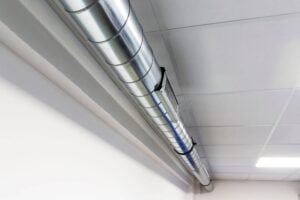
Your ducts carry cooled air to every room in your home. If they are the wrong size or have leaks, even a brand-new AC will not work as well as it should.
Some homes need ductwork adjustments when the AC is replaced. If your existing ducts are too small or too large for the new system, airflow problems will follow. You may end up with hot spots, cold spots, or higher energy bills.
Ask your technician to check your ductwork during the estimate visit. Catching problems early is much less expensive than dealing with comfort issues after the install.
6. Electrical Work
HVAC systems need the right electrical setup to run safely and efficiently. Sometimes a new system requires updates to your breaker panel, control wiring, or thermostat connections.
Electrical adjustments typically add $100 to $600 to your total cost. This is normal and important. Cutting corners on electrical work is never a good idea.
A smart thermostat is often included with a new system. These devices let you control your home’s temperature from your phone, set schedules, and track your energy use. They can also help you save money on your monthly bill.
7. Permits and Local Requirements
Any AC replacement should include pulling the proper permits from your local city or parish. Permits protect you by making sure the work meets safety codes. If you ever sell your home, a buyer’s inspector will look for these permits.
Reputable HVAC companies include permit fees in their estimates. If a contractor offers to skip the permit to save you money, that is a red flag.
8. Condensate Drainage
When your AC cools your home, it pulls moisture out of the air. That water has to go somewhere. It drains out through a condensate line.
Sometimes the existing drain is clogged, not set up properly, or needs to be redirected for the new system. If a condensate pump is needed, expect to add around $370 to your total.
Tax Credits and Rebates That Can Lower Your Cost
Here is some good news: you may be able to get money back on your AC replacement.
Federal Tax Credits: Thanks to the Inflation Reduction Act, homeowners who install high-efficiency HVAC equipment may qualify for a federal tax credit of up to 30% of the cost, capped at $600 for central AC systems. Some heat pump systems qualify for even higher credits.
Utility Rebates: Your local utility company may offer rebates for high-efficiency systems. Check with your provider before you buy to see what is available in your area.
Manufacturer Rebates: HVAC manufacturers sometimes run promotions that give you money back on specific models. Ask your contractor what rebates are currently available.
Always ask your contractor to walk you through any incentives you may qualify for. A good company will help you take full advantage of every savings opportunity.
When Should You Replace Instead of Repair?
This is a question we hear all the time. Here is a simple way to think about it.
If your AC is more than 10 to 15 years old and repair costs are significant, replacement usually makes more financial sense. Older systems are also less efficient, so you are paying more on your energy bill every month to keep them running.
A common guideline is the 5,000 rule: Multiply the age of your system (in years) by the cost of the repair. If that number is more than $5,000, replacement is likely the better choice.
For example: A 12-year-old system that needs a $500 repair gives you 12 x 500 = $6,000. That is over the threshold, which suggests replacement is worth considering.
Other signs it is time to replace your AC include:
- Your home feels humid even when the AC is running
- Your energy bills keep going up even though nothing has changed
- The system needs repairs every year
- It uses R-22 refrigerant (which is no longer made and very expensive)
- Some rooms are always too hot or too cold
Financing Options Available
We know that replacing an air conditioner is a big expense. That is why Southern Air Alexandria offers flexible financing options to help you get the right system for your home without breaking your budget.
Whether you prefer to pay over time or want to take advantage of a promotional rate, we can help you find a plan that works. Ask us about financing when you schedule your free estimate.